Ethical Marketing & Data Privacy Trends
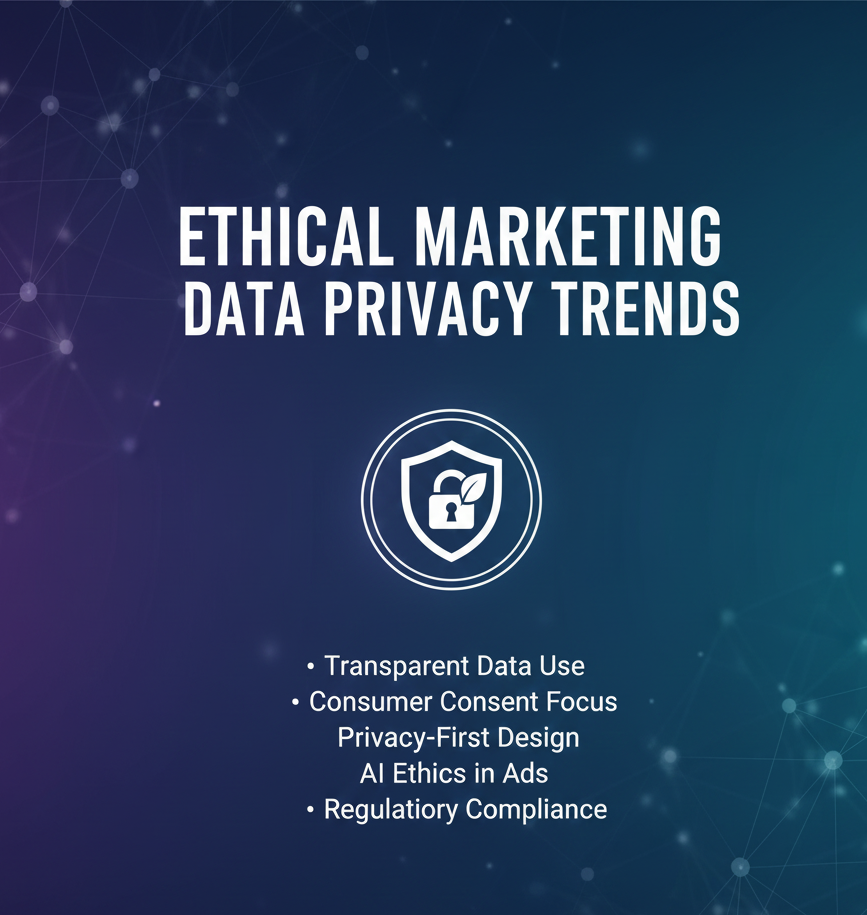
In today’s hyper-connected digital world, consumers are more informed, cautious, and empowered than ever before. With constant data breaches, the rise of AI-driven personalization, and stricter privacy laws globally, the relationship between brands and consumers is undergoing a massive transformation. Ethical marketing and data privacy are no longer optional concepts—they have become foundational pillars for building trust, driving long-term customer loyalty, and staying compliant in an evolving digital landscape.
This guide takes a detailed look at what ethical marketing truly means, why data privacy is now at the heart of all marketing strategies, and the emerging trends that are reshaping the industry. Whether you’re a marketer, brand strategist, business owner, or digital professional, understanding these concepts is essential for success in today’s trust-first economy.
Understanding Ethical Marketing in the Modern Era
Ethical marketing refers to creating and promoting products and services in ways that are honest, transparent, and respectful of consumer rights. Unlike traditional marketing approaches that may prioritize persuasion at all costs, ethical marketing focuses on long-term relationships built on integrity.
Core principles of ethical marketing include:
- Transparency: Being honest about what you collect, how you use data, and what your product delivers.
- Fairness: Avoiding deceptive tactics, manipulative wording, or misleading ads.
- Respect for privacy: Giving users control over their data and honoring consent.
- Inclusivity: Creating content that avoids bias and respects diverse audiences.
- Authenticity: Communicating values, missions, and brand practices truthfully.
As consumers increasingly value authenticity, ethical marketing helps brands stand out. It transforms marketing from “selling” into “serving,” and consumers reward brands that prioritize responsibility with loyalty and positive word of mouth.
Why Data Privacy Has Become a Priority
Digital marketing relies heavily on data—behavioral insights, cookies, tracking pixels, and user demographics. But the explosion of data collection over the last decade has raised major concerns.
Key reasons data privacy matters now more than ever:
- Growing consumer awareness
People understand they are being tracked online and want more control over their digital footprints. - High-profile data breaches
Incidents across major corporations have highlighted the risks associated with weak data practices. - Stricter global regulations
Laws such as GDPR (Europe), CCPA (California), and POPIA (South Africa) have forced companies to rethink how they collect and store data. - Decline of third-party cookies
With browsers phasing out third-party cookies, marketers are shifting toward more ethical, transparent data collection methods.
Increased use of AI
AI models rely on large datasets which raise new ethical concerns related to consent, accuracy, and bias.
Consumers today expect brands not only to protect their data but also to justify why they’re collecting it. Brands that fail to meet these expectations risk hefty fines, reputational damage, and customer loss.
Top Ethical Marketing Trends Shaping 2025 and Beyond
1. Zero-Party and First-Party Data Collection
As third-party cookies disappear, brands are shifting focus to data collected directly from consumers.
- Zero-party data is information users voluntarily share, such as preferences or feedback.
- First-party data includes behavior collected on brand-owned channels, like website actions or purchase history.
This approach supports ethical marketing because it is based on consent, transparency, and direct user participation. Companies rely less on hidden tracking and more on strong customer relationships.
2. Consent-Based Personalization
Personalization is still one of the strongest marketing tools, but now it must be done responsibly. Consent-based personalization ensures:
- Users opt in to tracking.
- They understand how their data will be used.
- They can change or revoke consent anytime.
Brands are creating clear, simple consent forms, as opposed to manipulative “dark patterns” that trick users into accepting tracking.
3. Ethical AI Transparency
AI now powers ad targeting, content generation, chatbots, predictive analytics, and product recommendations. However, ethical concerns arise when users don’t understand how AI is being used.
Ethical AI includes:
- Clear disclosure when content is AI-generated.
- Avoiding biased datasets that reinforce discrimination.
- Using anonymized data when training algorithms.
- Ensuring human oversight in automated decisions.
Consumers expect brands to use AI responsibly—and reward those who do.
4. Data Minimization Practices
“Collect only what you need” is becoming a best practice across industries. Instead of gathering massive amounts of user information just in case it becomes useful later, businesses are:
- Focusing on the most essential data points.
- Deleting data that is no longer needed.
- Reducing the risk of breaches by storing less.
This trend also aligns with global privacy regulations, which prioritize necessity and proportionality.
5. Transparent Content and Advertising
Consumers are increasingly skeptical of overly polished marketing messages. Transparency builds trust, and marketers are adopting a more honest approach to communication.
Examples include:
- Disclosing sponsored content.
- Sharing behind-the-scenes processes.
- Being honest about product limitations.
- Avoiding exaggerated performance claims.
Transparency fosters authenticity, which is one of the strongest brand differentiators today.
6. Customer Data Control and Self-Service Tools
Brands are giving users the ability to manage, download, or delete their own data.
This includes:
- Privacy dashboards
- Clear “unsubscribe” and data deletion options
- Real-time cookie management tools
When users feel in control, they are more likely to trust and engage with the brand.
7. Sustainability and Ethical Values in Marketing
Consumers—especially Gen Z—care deeply about social responsibility. Ethical marketing now extends beyond privacy to include:
- Environmental sustainability
- Ethical sourcing
- Fair labor practices
- Corporate social responsibility
Brands that practice what they preach can gain a significant competitive advantage.
8. Social Impact Storytelling
Ethical marketing goes hand in hand with meaningful storytelling. Companies are highlighting their values, missions, and community impact.
Examples:
- Showcasing charitable initiatives
- Highlighting ethical manufacturing processes
- Supporting social causes authentically
The keyword here is authenticity—consumers quickly detect performative activism.
9. Increased Accountability in Influencer Marketing
Influencer marketing is evolving, and with it comes greater responsibility:
- Influencers must disclose paid partnerships.
- Audiences expect honest reviews instead of scripted sponsorships.
- Brands are choosing influencers based on fit and values—not just reach.
This shift promotes transparency and builds trust.
Benefits of Practicing Ethical Marketing and Strong Data Privacy
Adopting ethical marketing isn’t just “the right thing to do”—it brings measurable business benefits.
1. Enhanced Customer Trust
When users know their data is safe and respected, trust grows naturally.
2. Long-Term Loyalty
Trust-based relationships lead to repeat purchases, referrals, and brand advocacy.
3. Reduced Legal and Reputational Risk
Complying with privacy laws protects brands from fines and public fallout.
4. Better Quality Data
Zero-party data is more accurate and reliable, leading to improved personalization.
5. Strong Competitive Edge
Ethical behavior differentiates a brand in a crowded digital marketplace.
How Brands Can Adopt Ethical Marketing Today
Here are actionable steps every business can take:
- Audit your current data collection methods
Remove unnecessary tracking and increase transparency. - Improve your consent process
Use clear language, avoid dark patterns, and provide easy opt-outs. - Limit data storage and enhance security
Only store what you need—and protect it with strong systems. - Invest in ethical AI
Ensure algorithms are transparent, fair, and unbiased. - Train teams on ethics and privacy
Everyone—from marketers to developers—should understand best practices. - Communicate openly with customers
Tell them how you use their data and why. - Align marketing with your brand values
Your company’s ethics should shine through every campaign.
The Future of Ethical Marketing and Data Privacy
As technology evolves, ethical marketing will continue to grow in significance. Consumers are already leaning toward brands that prioritize responsibility. AI, automation, and personalization will become even more advanced, but with that comes greater need for transparency and regulation.
The future belongs to brands that embrace ethical practices not as restrictions, but as opportunities to build more human, trustworthy, and impactful connections with their audiences
.